Have you ever asked yourself what your posture reveal about your emotions? Body analysis seeks to explain how our physical traits and gestures reflect deeper psychological patterns.
This article will show you how body analysis explains not only movement patterns but also emotional triggers.
Let’s dive into the fascinating world of behavioral body reading, starting with its core benefits.
The Importance of Body Analysis
One of the main reasons to study behavioral body analysis is to understand people beyond words. By learning to observe body proportions, you start decoding intentions that others may not express verbally.
Coaches apply character analysis to guide clients.
Ultimately, reading body language empowers you to lead with insight.
Types of Body Analysis
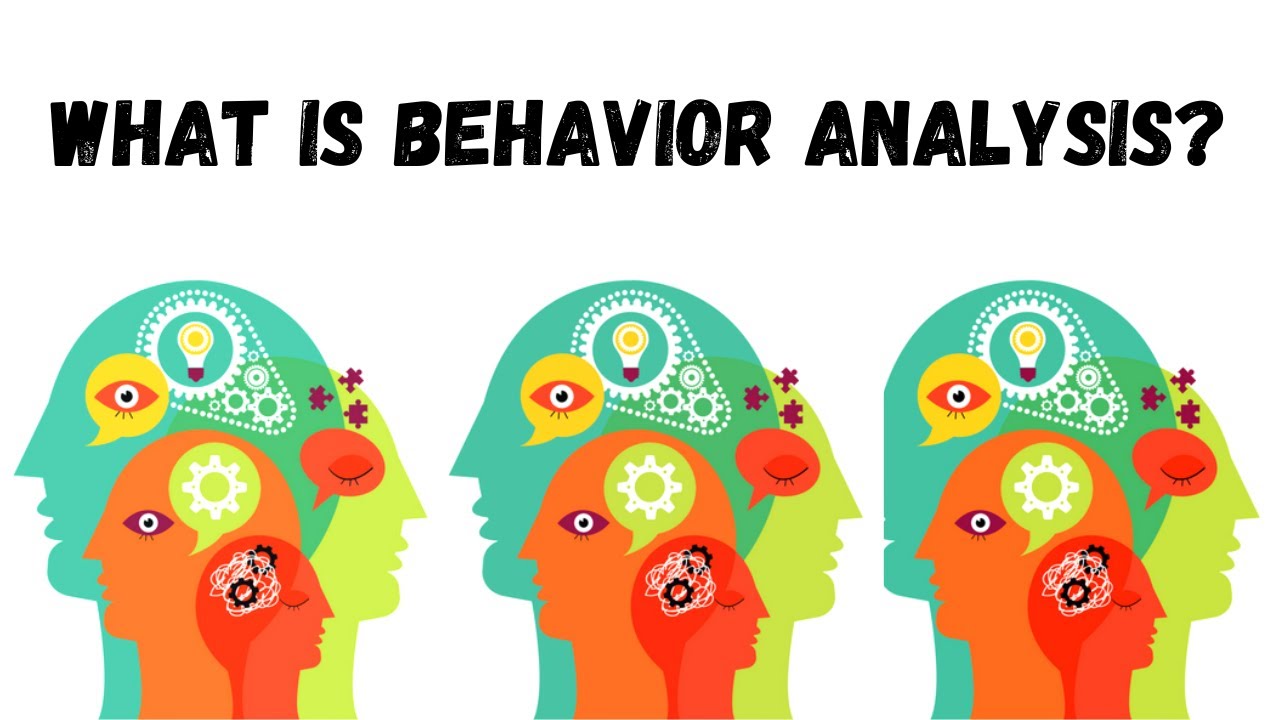
There are several schools within behavioral body analysis, each focusing on different aspects of the human body. One popular method examines physiognomy to infer emotional tendencies.
The “body explains” model, made popular by modern coaches, connects physical structure with specific personality archetypes.
Practicing multiple types of body analysis can give you a more complete picture of someone’s character and emotional state.

Practical Uses of Behavioral Body Analysis
Look for patterns: does a person consistently cross their arms? Do they lean away when asked certain questions?
In professional settings, character reading helps build rapport and improve communication. Sales professionals may observe a client’s fidgeting to gauge interest or resistance.
The more you observe, the more intuitive your understanding becomes, allowing you to respond thoughtfully and authentically.
What People Get Wrong About Behavioral Body Reading
Relying solely on one signal can lead to misunderstandings.
People are shaped by culture, upbringing, and experiences that go beyond physical form.
A third misunderstanding is that body analysis is only useful for professionals like psychologists or detectives. In truth, these skills benefit anyone seeking better communication and awareness.
How the “Body Explains” Model Works
The “body reading explains” approach gained popularity by connecting physical structure with emotional responses. This method teaches that our physical form reveals emotional history.
For example, tight jaw might symbolize responsibility.
Clients working with “the body explains” methods often experience breakthroughs as they connect posture habits with memories.
Ethical Considerations in Body Analysis
It’s important to approach body reading as a tool for empathy and understanding, not as a weapon for persuasion or power.
Practitioners need cultural humility and awareness to avoid imposing biased interpretations.
Saying “I notice you tend to hold tension in your shoulders when discussing this topic” invites reflection, while “You’re clearly angry” risks invalidating the person’s experience.
Building Competence in Behavioral Body Reading
Over time, you’ll sharpen your ability to detect subtle cues and contextual signals.
Practicing with peers or mentors can offer feedback to avoid overinterpretation or assumption.
With consistent practice, your awareness grows, enhancing communication, relationships, and emotional intelligence.
Final Thoughts on Body Analysis
In conclusion, behavioral body analysis offers valuable tools for anyone seeking to improve emotional intelligence.
Each pathway invites us to notice the wisdom carried in our bodies and how it shapes interactions.
Let the process inspire curiosity, empathy, and openness as you unlock the silent language of the human body.
Frequently Asked Questions About Behavioral Body Analysis
What does body analysis mean?
Body analysis is the practice of observing physical traits, posture, gestures, and movements to gain insights into personality, emotions, and behavioral patterns.
Do you need special skills to practice body analysis?
While it takes patience and observation skills, you don’t need professional certification to start applying it in daily life.
Does body analysis always reveal the truth?
Body analysis is an interpretive tool, not an exact science.
How can I use body analysis professionally?
Yes, body analysis has applications in coaching, therapy, HR, leadership, and sales.
What’s the difference between body analysis and body language reading?
Both overlap but body analysis may explore deeper character patterns linked to the body’s form.
saber mais ver a pagina